Ecosystem

Adoption is a relationship problem before it is a technology problem.

Complex health problems take more than one discipline and more than one market. Miso works through a network of clinicians, researchers, founders, institutions and communities — some engaged directly by Miso, others independent initiatives connected through our founder.

Initiatives

Four connected bodies of work.

Distinct initiatives, one operating backbone.

Miso Health

Miso-led

Founded 2022. The commercial front door for cross-border health-innovation and adoption work.

Engagements have spanned medical linguistics and EHR language, clinical AI rollout across geographies, wearable go-to-market, evidence and content architecture, and health-system strategic projects.

Femtech University Network

Founder-led ecosystem initiative

Co-founded 2022 with founding partners across INSEAD, ETH Zürich, the University of Cambridge, Johns Hopkins University and Yale University.

The first professional interest group connecting university students, faculty and researchers pursuing careers in women's-health technology worldwide. It is the structural bridge between university researchers and the companies trying to build on that research — the relationship type that most often decides whether early evidence ever reaches a product. The network also advises early-stage teams working on AI-generated content, clinical decision support, wearables and social health platforms.

万象更新 Women's Health

Founder-led ecosystem initiative

A distinct Chinese-language public-media and community initiative co-created by Miso's founder.

More than 1.8 million downloads across 206 episodes, distributed on Apple Podcasts, Spotify, Xiaoyuzhou, Ximalaya and other platforms. It gives Miso sustained proximity to clinicians, researchers and health conversations in China that no market report reproduces.

Université Lumière Lyon 2 — CeRLA

Independent research

Independent researcher and lecturer since 2024, working at the intersection of women's health and linguistics.

Presented at the International Menopause Society and the Chinese Menopause Society in 2024. Academic work is governed independently and cited, never absorbed into commercial claims.

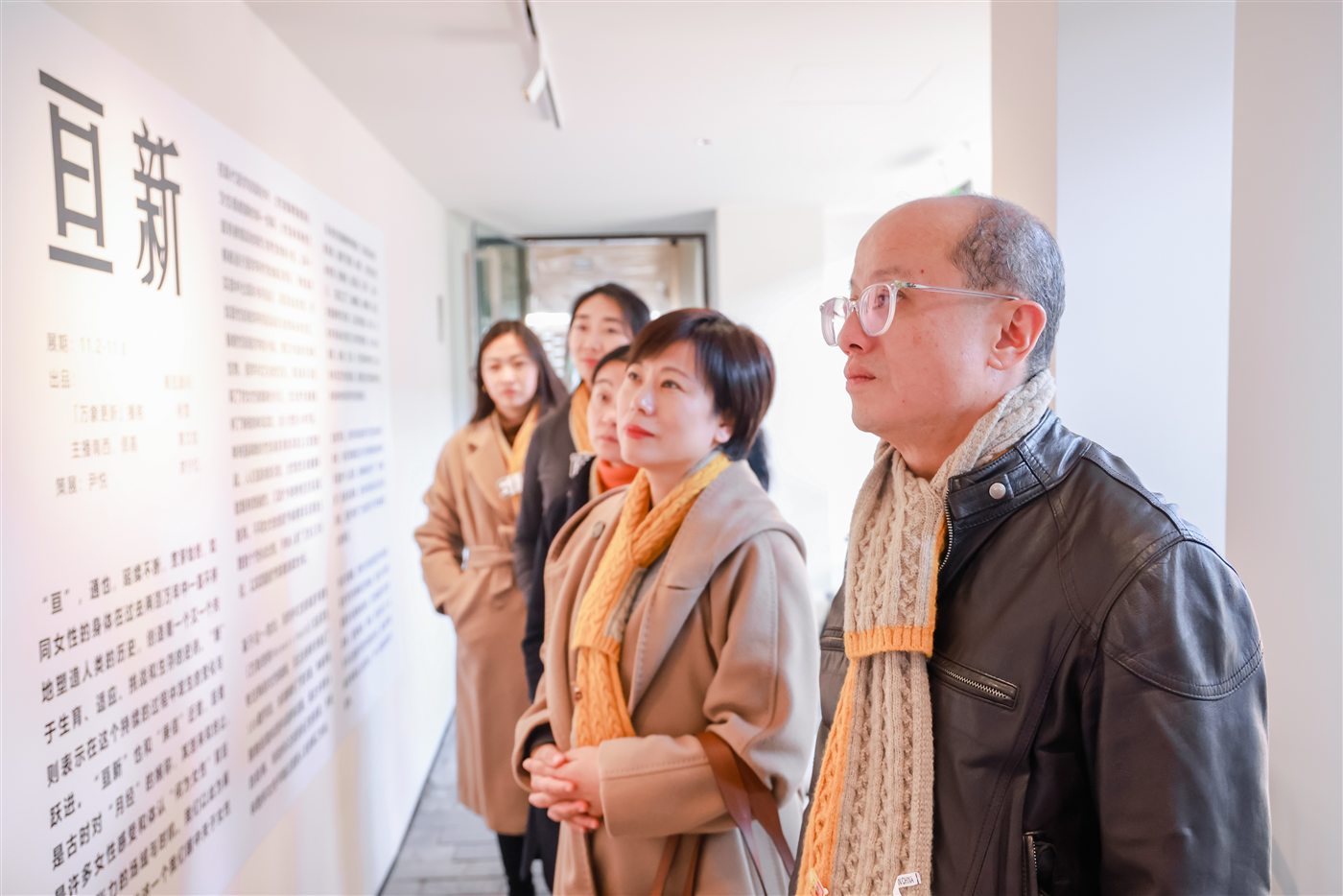
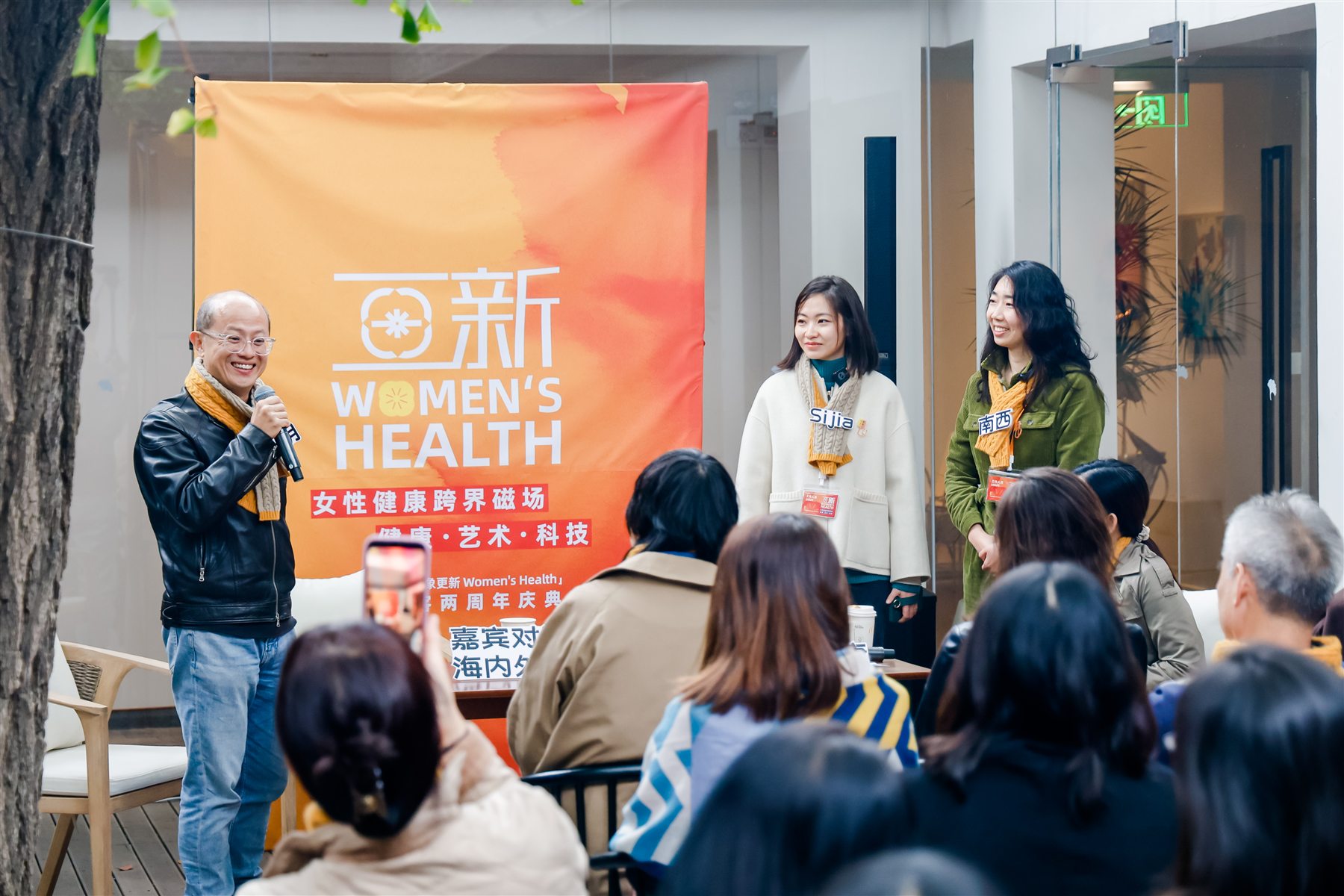
Opening of the 亘新 women's-health exhibition in Beijing: a clinician addressing a seated audience alongside the two hosts, in front of the 亘新 Women's Health backdropClinicians and visitors reading the curatorial wall text at the 亘新 exhibition in Beijing
亘新, Beijing — art × medicine exhibition and workshopsPhotographs: Tianhao Lou · See the case study →

The network

Who Miso actually works through.

The relationships that decide whether health innovation reaches the people it is built for.

Clinicians and clinical societiesPractising specialists and relationships with major medical societies across Europe and Greater China, built through research, public programmes, evidence translation and invited speaking — including an AI talk at SIMC 2026 in Singapore in engagement with the International Menopause Society.
Researchers and universitiesAcademic collaborators in women's health, linguistics and evidence synthesis — the source of the claims a product will eventually have to defend.
Founders and health-tech teamsEarly-stage companies advised on market pathway, evidence expectations and adoption design rather than on fundraising narrative — including an advisory role with a health-longevity hackathon series run across the Oxford, Cambridge and Imperial network.
Platforms and publishersWorking relationships across the major Chinese audio, social and publishing platforms — Xiaohongshu, Xiaoyuzhou, Ximalaya and Tencent among them — and with national publishers. Distribution into China is a standing capability, not something assembled per project.
Institutions and cultural partnersEmbassies, cultural institutes and public programmes — the route to audiences that clinical channels do not reach.
Communities and audiencesChinese-language health communities convened over several years, giving direct visibility of how guidance is actually received.
Operators and health systemsProcurement, operations and investment counterparts carried over from eight years of multi-market healthcare operating roles.
Selected organisations

Named by what the relationship actually was.

Across research, programmes, publishing and convening. A guest's employer is not a partner, so those are listed separately.

Co-organised with

Menopause Research Society Singapore and the International Menopause Society — the SIMC 2026 cross-sector session on trusted and agentic AI. Alliance Française Beijing and HEC Paris supported the 亘新 exhibition and workshop programme.

Contributed to

China's first national menopause patient guideline, produced with Chinese Medical Association experts. Invited editor and co-author of the preface.

Research presented at

The 19th International Menopause Society World Congress in Melbourne, and the Chinese Medical Association's ninth menopause conference — corpus research on how digital media shapes menopause understanding among Chinese women.

Academic collaboration

Université Lumière Lyon 2 (CeRLA) for research at the intersection of women's health and linguistics. Femtech University Network founded with partners across INSEAD, ETH Zürich, Cambridge, Johns Hopkins and Yale.

Published and covered by

SanLian LifeWeek, BAZAAR and Women's Health as a healthcare columnist; national coverage of the patient guideline in the Chinese press.

Programme delivered for

Employee health education for global pharmaceutical companies, including a session for 150+ staff delivered with senior hospital faculty, and a national women's-health campaign with a Chinese public-health foundation.

Advisory

Nabla, on ambient clinical documentation. Longevity Hacks, a health-longevity hackathon series run across the Oxford, Cambridge and Imperial network. Early-stage teams across AI-generated content, clinical decision support, wearables and social health platforms.

Conversations have included experts from

Peking Union Medical College Hospital, KK Hospital Singapore, Peking University First Hospital, Shanghai Renji, Shanghai Yueyang and Harvard-affiliated cancer centres — guests on 万象更新, not Miso partners.

Founder operating experience

Built inside health systems, not alongside them.

Before Miso, Nancy Li spent eight years in international healthcare operations, leaving as an executive running a $12m P&L with ninety staff. She led M&A diligence and the integration of a $100m investment in specialty hospitals in China.

She has been on the buying side of these decisions, not the selling side. That changes what you notice about why good products get turned down.

More about the founder and operating model →

Collaborate

Institutional partnership, research or a market decision?

Miso works with health innovators, institutions and research partners across APAC and Europe. Tell us what you are trying to move.

Start the conversation